

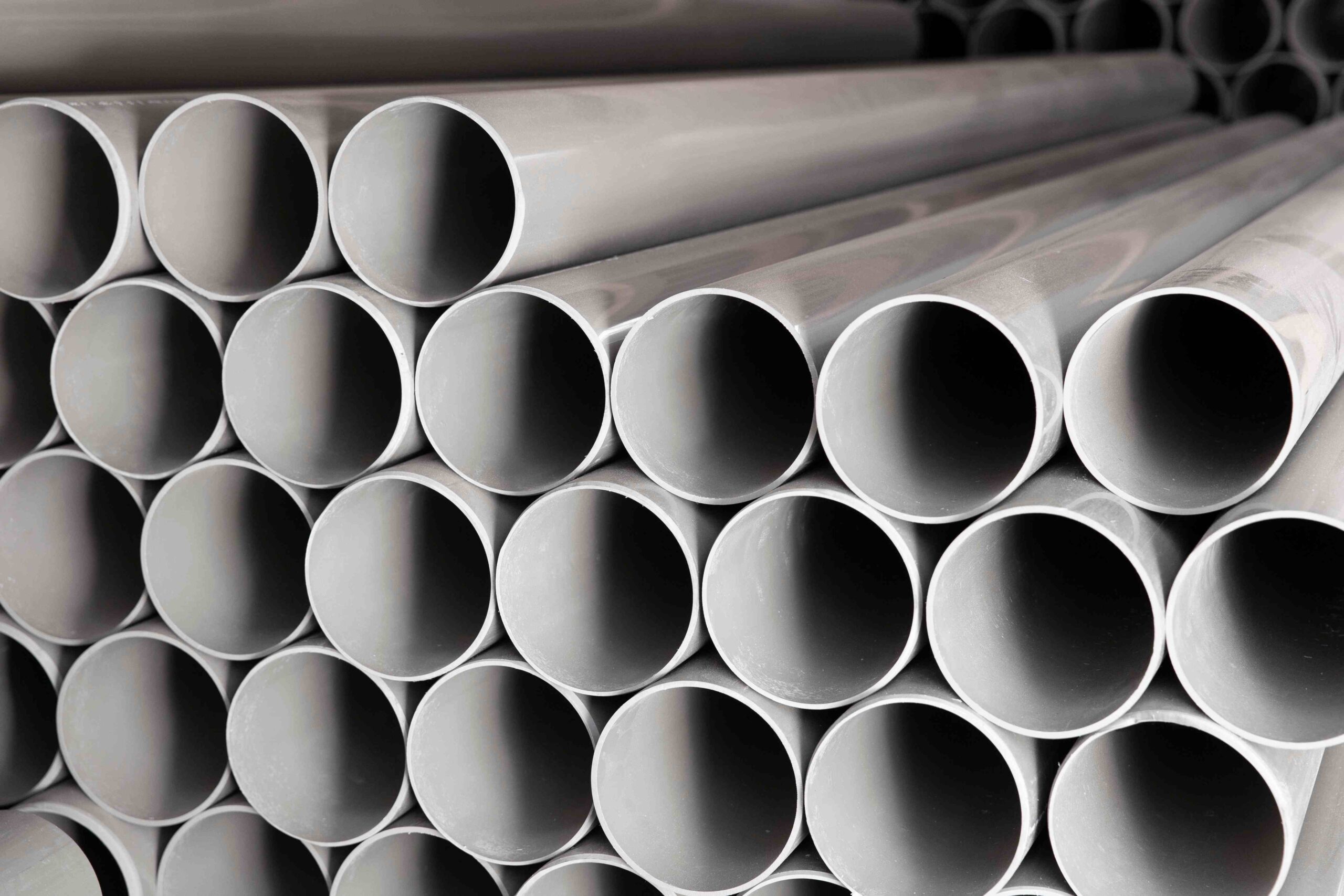
The bulk purchase of MS pipe material cannot be reduced merely to price quotation comparison. In construction, fabrication, infrastructure, engineering, and industrial uses, many aspects of material quality, product sourcing, availability, documentation, and supply reliability will affect the performance and cost of procurement.
When evaluating MS Pipe Distributors like Bhushan Tube, buyers should assess the complete technical and supply profile of the product—not just its price per metre or tonne.
Factors to Consider Before Buying MS Pipes in Bulk
1. Define the Required Pipe Specification:
Before approaching a distributor or supplier, clearly establish the required:
| Parameter | What to Check |
| Steel Grade | Required chemical and mechanical properties |
| Outside Diameter | Nominal size and dimensional tolerance |
| Wall Thickness | Design/load requirement and permissible variation |
| Length | Standard or project-specific cut lengths |
| Surface Condition | Mill finish, coated, or application-specific finish |
| Standard | Applicable IS/ASTM or specified standard |
Accurate specifications prevent mismatches between the purchased material and the project’s design requirements. They also help the distributor identify and arrange the appropriate material for the application.
2. Verify Steel Grade and Mechanical Properties:
Steel grade also provides significant information on its properties such as yield strength, tensile strength, elongation, weldability, and ductility. In case of large orders, the buyer must confirm that the steel grade conforms to the relevant standard and request an MTC or relevant material documentation from the distributor where required.
The chemical composition of steel is also important since materials like carbon and manganese may affect strength, weldability, and fabrication qualities.
3. Check Dimensional Accuracy and Tolerances:
Where fabrication plays an important part, dimensionally consistent materials are necessary. Deviations in outer diameter, wall thickness, ovality, straightness, and length might have a bearing on fit-up, welding, machining, and material utilization.
When purchasing through a distributor, buyers should confirm the required dimensions and permissible tolerances before finalising the order. The distributor should be able to provide material matching the specified dimensional requirements.
4. Evaluate Manufacturing and Quality-Control Practices:
When purchasing through a distributor, do not evaluate the supplier only on the quoted price. Check the quality information and documentation available for the material being supplied.
Key areas to examine include:
- Material grade and specification verification
- Dimensional details and applicable tolerances
- Relevant product standards
- MTC and testing documentation, where applicable
- Batch/lot identification and traceability
- Surface condition and visual quality
Clear documentation allows buyers to verify whether the supplied material matches the requirements specified in the purchase order.
5. Confirm Standard and Testing Requirements:
MS pipes should conform to the standard specified for their intended application. Depending on the product and project, this may involve dimensional, mechanical, chemical, hydrostatic, or other application-specific testing.
Always confirm the applicable standard, inspection requirements, and documentation with the distributor before placing the purchase order, rather than after delivery.
6. Assess Surface Quality and Corrosion Protection:
Examine the pipes to see if there is any excess scaling, cracks, indentations, corrosion, or any other form of surface damage.
In case the pipes are intended for external, underground, or corrosive environments, check if any further painting, coating, or galvanization is needed.
Buyers should also discuss handling, packaging, and transportation arrangements with the distributor to minimise the possibility of surface damage during storage and delivery.
7. Consider Total Cost, Not Just Purchase Price:
An inexpensive initial cost can turn out to be costly if it leads to poor consistency, waste, rejection, delayed deliveries, and replacements.
When buying in large quantities, it would be useful to compare the total landed procurement cost, which includes:
- Material cost
- Transportation and freight
- Testing or inspection costs
- Cutting or other additional requirements, if applicable
- Wastage
- Delivery-related costs
This provides a more realistic comparison between different distributors and supply options.
8. Check Production Capacity and Supply Reliability:
For bulk purchases, buyers should confirm whether the distributor can arrange the required quantity, specifications, and delivery schedule.
A distributor with established sourcing channels and reliable supply arrangements can help manage large or recurring requirements while reducing the risk of delays caused by material shortages.
Sourcing MS Pipes from a Reliable Distributor:
Technical selection of MS pipes for bulk purchase involves consideration of factors such as grade, dimensions, tolerances, standards, testing, surface condition, documentation, availability, logistics, and overall procurement cost. Working with an experienced MS Pipe Distributor like Bhushan Tube can help procurement teams source the required specifications, verify relevant documentation, coordinate bulk quantities, and manage delivery requirements more efficiently.